
Total: ₹ 0
Taxes and shipping calculated at checkout

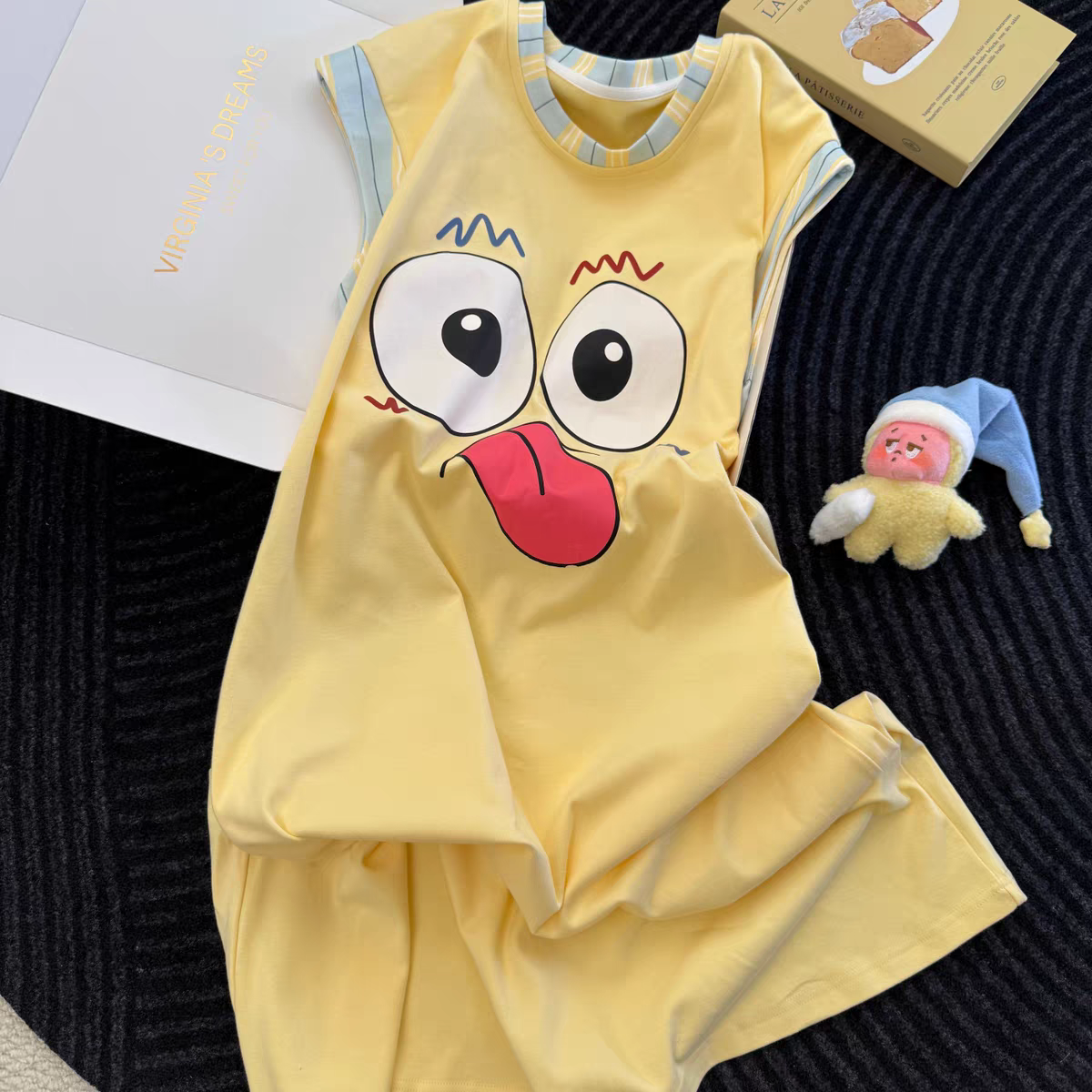
There's a common assumption that anything with built-in support has to feel restrictive, especially when it comes to what you wear to bed. Padded sleepwear often gets lumped into that same mindset, as if support and comfort are two things you have to choose between. In reality, that trade-off is mostly outdated. Modern padded night suits are designed specifically to give you both, without the stiffness people associate with padding.
Let's look at why this myth exists, and why it doesn't hold up anymore.
The idea that padding equals discomfort comes from older bra-style construction, where padding meant foam cups, underwires, and rigid seams. That kind of padding was built for shape under clothing, not for sleep. So when it got carried over into nightwear early on, it made sense that people assumed the same stiffness would apply.
But padded sleepwear today is built with an entirely different purpose in mind. It's meant to replace the need for a separate bra at night, not recreate one. That single shift in purpose changes the entire design approach.
This is the core distinction most people miss. The padding used in a well-made padded night dress or nightsuit top is lightweight and made to move with your body, not hold a rigid shape. It offers just enough structure to prevent that unsupported feeling many women dislike, without any of the pressure points that come from underwire or firm foam cups.
Fabric choice plays a huge role here too. Soft, breathable materials paired with light padding create a completely different experience than old-style padded bras. You get shape and light support, but nothing that digs in or restricts movement while you sleep.
If padded sleepwear were genuinely uncomfortable, it would never work for maternity or postpartum wear, where comfort isn't optional. Yet feeding nightsuits and maternity night suits are some of the most popular styles in the padded category. That alone says a lot.
During pregnancy and postpartum recovery, the body is more sensitive to anything tight or restrictive. Brands wouldn't be able to market padded designs specifically for this stage if the padding itself caused discomfort. The fact that it works during one of the most comfort-sensitive periods in a woman's life is proof the old assumption doesn't apply anymore.
Modern padded sleepwear isn't just about the padding itself either. Thoughtful design details, like backless cuts, adjustable straps, and easy-access feeding openings, actually add to comfort rather than compromise it. These features reduce the number of layers or adjustments needed during the night, which matters far more for comfort than most people realize.
When you actually compare padded sleepwear to wearing a separate bra to bed, padded options usually win. A regular bra, even a soft one, still has seams, hooks, or straps that can shift and press uncomfortably while lying down. A well-made padded nightsuit or night dress removes that entirely, replacing it with a single soft layer that moves naturally with your body.
This is really the bigger picture people miss. The comparison shouldn't be "padded versus no padding." It should be "padded sleepwear versus a separate bra," and in that comparison, padded sleepwear almost always comes out ahead for actual sleep comfort.
No, not anymore. The idea that padding automatically means stiffness or discomfort is based on older, unrelated garments, not on how padded sleepwear is actually made today. With the right fabric, the right amount of padding, and thoughtful design, comfort and support aren't opposing goals anymore. They're built into the same piece.
If you're still unsure, the easiest way to see this for yourself is by trying it. Browse the padded night suits collection or explore the padded night dress range to see how different the modern approach really feels compared to what you might expect.
Does padded sleepwear feel stiff like a regular bra?
No, most padded sleepwear uses soft, lightweight padding designed for movement, unlike structured bras with underwire or foam cups.
Is padded sleepwear safe to wear during pregnancy?
Yes, many padded night suits are specifically designed for maternity and postpartum comfort.
Can padded sleepwear replace wearing a bra at night?
Yes, that's exactly its purpose, offering light support without the discomfort of a separate bra while sleeping.
Is a padded night dress more comfortable than a padded nightsuit?
It depends on preference. A padded night dress offers a single flowing layer, while a nightsuit offers separate top and bottom pieces.
Does padded sleepwear work for nighttime feeding?
Yes, many feeding nightsuits are designed with padding along with easy-access openings for comfortable nighttime feeds.


